Dear Lectio Letter Readers,
If you happen to be new here, there’s a whole 104 other issues you can explore here! And I’d be over the moon if you’d consider supporting our work in deepening discipleship for those engaged in cross cultural ministry.
You can become a paying subscriber by using the button below or read more about our work here.
Status Board
This Lectio meets you from the wintry cold of Southern-Hemisphere South Africa where we are enduring the , not quite, freezing temperatures of <10°C… But when you consider the Mediterranean construction methods of our housing that are insistent on expelling every form of heat from the houses here (no insulation, double glazing or central heating) we can't help feel a little bit envious of our northern hemisphere friends posting pictures of beach days and ice cream.
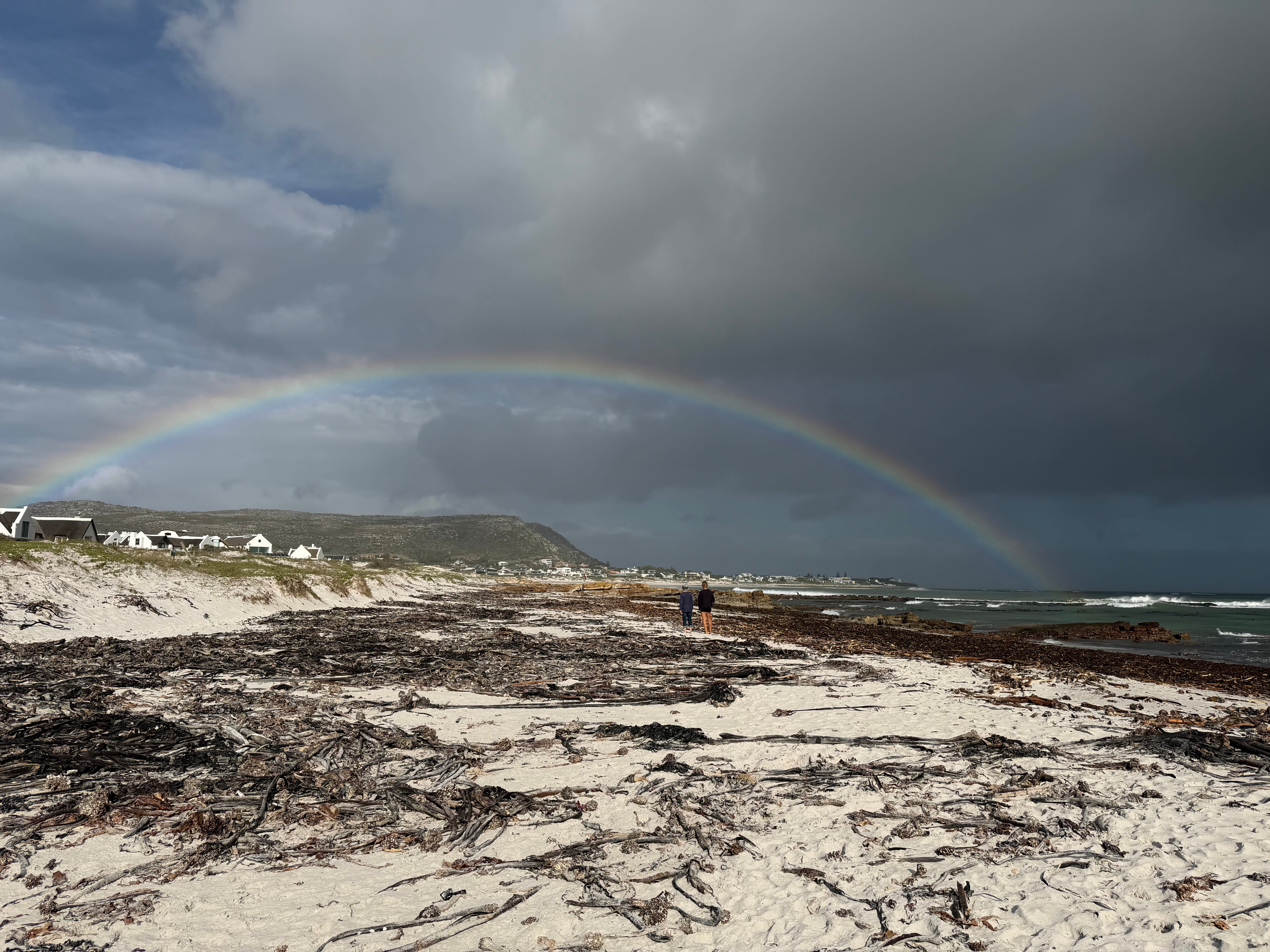
Thanks to our canine companion, though we have been making it onto our wintry beach twice a day

But, truth be told, we shouldn’t be complaining too much as we were very grateful to make our way to the south of France to help lead a short retreat for some friends. The few days there, although full of effort were also full of laughters, depth and the gift of friendship new and old.


The day after we arrived home, we received my ‘parents-in-the-Lord’ who came to us from a ‘roughing it’ teaching trip in Tanzania. After being pretty tired ourselves, we took a part time week and enjoyed much good food from some of our favourite spots around the city and lots of theology-related discussion. What a dream.


It wasn’t all consumption though, the first day they joined us for our friend Aya’s 6 monthly check up at the Red Cross hospital here.


Half way through their week they also spoke at the local YWAM base for 2 mornings and on the final morning we went to visit a couple of famous guitar builders (known as Luthiers).
They make Casimi guitars. I met one of them around a decade ago when I was needing my guitar re-fretted. They were apprenticing under Marc Mainguard near Scarbourough. Seeing them after 10 years it was clear they had seriously upped their game. This was confirmed when I asked them what the starting price for the Guitars was and they responded, without a smirk, $50,000!


The inside of the guitar above has an incredible story. It comes from, what is known in the guitar building world as, the tree;
Guitars made from The Tree routinely sell for $30,000-$40,000.
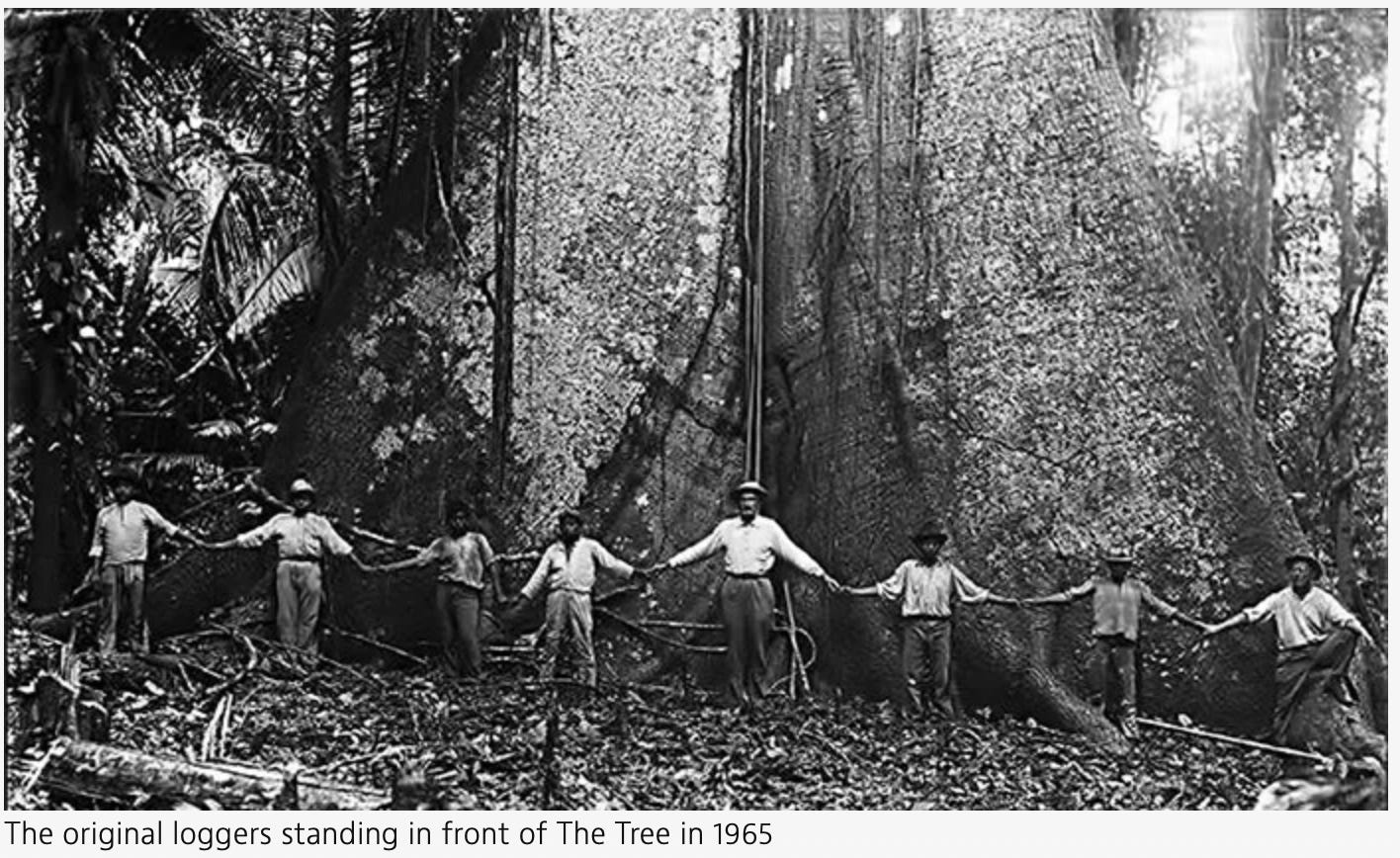
[In] 1965, when Belize was British Honduras…Deep in the rainforest jungle of Chiquibul, a small party of loggers happened upon a towering mahogany. At over 100 feet high and 10 feet in diameter at the base, this tree was massive in every sense of the word. Best estimates would later place it at approximately 500 years old.
..the loggers began the long and arduous operation of chipping away at the base of The Tree. Fragment by fragment. Inch by inch. Weeks of manual labor in the sweltering, humid climate would have been required to prepare this tree for felling.
[But] Instead of landing where intended, The Tree fell backward, coming to a rest at the bottom of a ravine—now impossible for the loggers to extract
Fast forward to the late ‘70s. Sawmill owner Alan Mauney stumbles upon The Tree in his search for timber, and subsequently mentions it to Robert Novak, an American specializing in the import of rosewood and other specialty woods.
…had he not been there, it is likely The Tree never would have found its path out of Belize. It is possible that it would have spent the rest of its days lying in the ravine—
His experience with other figured hardwoods led him to believe this specific tree could be quite unique. At the time, he would have had no idea just how unique The Tree truly was.
Novak purchased The Tree and then set about creating a plan to extract it from the ravine.
They dragged the timber out of the ravine using a large tractor and placed them on trucks, three heavy sections at a time. The wood was then transported a perilous 100 miles through the heart of the jungle to the Chiquibul river.
Novak supervised all of the processing, and was finally able to confirm his suspicions. This was certainly no ordinary tree. It had figure unlike anything he had ever seen. It was full of deep color, rich, swirling patterns, and it was also unusually dense.
To this day, Novak claims The Tree is some of the “prettiest wood he’s ever seen” . He is far from alone in that opinion.
The tone of The Tree is unlike any other wood available. The Tree’s density, response, and headroom rival that of the best Brazilian rosewood, and it has an open, ringing quality at first strum.
To date there have been no other trees found that compare to The Tree—in look and in tone, it truly is one of a kind.
Camp coming up!
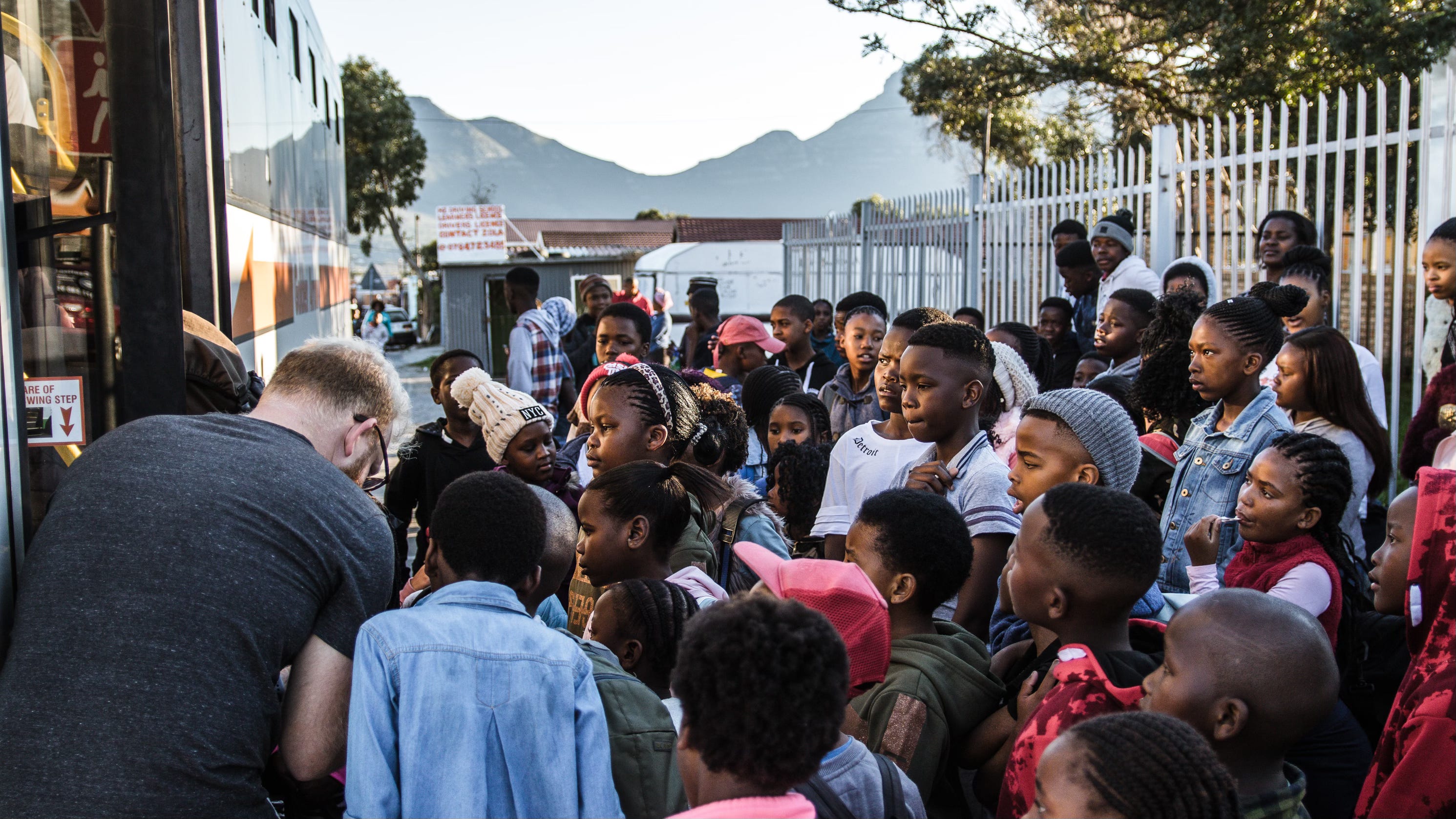
Those of you have a who have followed us for a number of years will know that our children promised Camp happens almost every July here In South Africa!
There is still some time to help us reach our goal of taking 100 children away you can read more about it on our Instagram page as well as gift from wherever you are below. We'd be so grateful if you would consider helping us make this year's can't happen!
Watching
Our recent air travel gave me time to indulge in the suspense-laden world of dramatised espionage that Rachel can’t watch alongside me and so I watched the Series 3 of “Tehran” which features Hugh Laurie as a worthwhile new character.
and while it takes a little while to reimagine Steve Coogan, not as Alan Partridge, but as a hard nosed, traumatised handler of undercover customs agents, the Netflix series “Legends” was worth the watch.
What we’ve been cooking: Chicken Enchiladas

As I mentioned it is winter here and we have been looking to find ways to warm up ourselves! While Chicken Fajita wraps have been a staple of our weekday cooking, this enchilada recipe created a warming alternative with all of the ingredients we already had in the cupboard.
I didn’t have a rotisserie chicken which would have been perfect so I poached 4 chicken breasts which was a great way to keep them from getting too dry;
For 500–700 g chicken breast fillets:
Place the chicken in a saucepan in a single layer.
Add enough chicken stock to cover by about 2 cm.
Add a few flavorings if you like:
½ onion, quartered
2 garlic cloves
1 bay leaf
1 tsp salt
Bring just to a gentle simmer.
Reduce heat to low, cover with a lid, and cook for:
12–15 minutes for average fillets
Remove from the liquid and rest for 5 minutes.
Shred using two forks as it is cooling.
Ingredients for the Enchiladas
For the filling
2 cups cooked shredded chicken (rotisserie chicken or poached as above)
1 cup shredded Monterey Jack or cheddar cheese
½ cup diced onion
1 teaspoon ground cumin
1 teaspoon chili powder
Salt and pepper to taste
For the sauce
2 tablespoons vegetable oil
2 tablespoons all-purpose flour
2 tablespoons chili powder
1 teaspoon garlic powder
1 teaspoon cumin
2 cups chicken stock
400g tined tomato or passata sauce
2 table spoons of adobo sauce (optional but creates depth)
Salt to taste
Assembly
4-5 flour or corn tortillas
1–1½ cups shredded cheese for topping
Optional garnishes: sour cream, chopped coriander leave, diced avocado, sliced green salad or spring onions
Instructions
Prepare the sauce
Heat oil in a saucepan over medium heat.
Whisk in flour, chili powder, garlic powder, and cumin. Cook for 1 minute.
(note: here the pan was too hot and I scorched the spices, be careful not too. I had to correct this through adding some honey)
Gradually whisk in chicken stock, adobo and tomato sauce.
Simmer for 8–10 minutes, stirring occasionally, until slightly thickened. Season with salt.
Make the filling
In a bowl, combine shredded chicken, onion, cheese, cumin, chili powder, salt, and pepper.
Assemble the enchiladas
Preheat oven to 375°F (190°C).
Spread about ½ cup of sauce in the bottom of a 9×13-inch baking dish.
Fill each tortilla with the chicken mixture, roll tightly, and place seam-side down in the dish.
Add sauce and cheese
Pour the remaining sauce evenly over the enchiladas.
Cover the top with the remaining cheese until pretty much entirely covered.
Bake
Bake for 20–25 minutes, until bubbly and the cheese is melted and lightly golden.
Some Music I’ve been listening to
All quite Jazzy recently;
Instrumental modes from Okonski
Venna who we saw play with Yussef Dayes at the CT Jazz festival a month or so ago
Moses Yoofee Trio
Who Do You Become When You Don’t Get What You Want?

Who do I become when I don’t get what I want?
It’s a question that is being answered for countless people as we speak during the FIFA World Cup 2026.
Growing up in the UK, football was the religion of choice. Everybody had their devotion and allegiance to a particular team. Your sense of belonging, consolation, or desolation was tied up with the activity and success, or lack thereof, of that team. While the adolescent-social-survival-strategy of attaching my emotional well-being to a Premier League club has not survived into adulthood, every four years I do pull out and dust off my football enthusiasm for the World Cup.
As we speak, thousands of people who follow their nation’s football team are enduring the disappointment and humiliation of being knocked out of the tournament until only one winner remains. What do we do with that feeling of failure when it is so attached to our sense of identity? The answer statistically leans towards domestic violence and abusing alcohol.
Another unfolding story of failure is the resignation of the Prime Minister of the UK, Keir Starmer, now the 7th prime minister in 10 years. Seems that the pace and ferocity of our political conversation, shaped as it is by a 24hour news cycle addicted to spectacle cannot abide an entire election cycle of stability. Before the new leader is even announced, predictions of failure and the impossibility of the financial and political turmoil that surround the UK are the major headlines. The previous four prime ministers all took office through internal party political processes rather than general elections. It looks very likely that our next prime minister in the UK will end up in the office and exactly the same way. Whatever you think of the politics of each of these leaders, the reality is that Keir Starmer’s labour government earned 9.7 million, while his likely replacement, Andy Burnham earned only 22,00 votes in his vy-election win. Somehow it seems like even our democracy is failing in light of our cultures need for novelty and outrage.
But how does it feel, I wonder for people in these offices, who we don’t often foster compassion for and no matter whether you agree with their politics or not, have invested their energies and emotions into something that is then taken away from them? Who do they become when they don’t get what they want?
Politics and Sports can lead people to act in extreme and brutal ways, but I don’t about you but I get to spend most of my time among very lovely Christian people—and maybe you do too.
The reality is that most of us, if we have spent any amount of time following Jesus, have figured out how to resist what Christians in an earlier age used to call the “gross sins”—the types of sins clearly visible to others and liable to raise “good Christian” eyebrows, or, at their most extreme, the sorts of things that would result in discipline in a Christian environment worthy of the name.
When you’re seeing your fellow Christians for 60 minutes a week in a church service, of course it’s easy to project sweetness and light through our smiles and warm embraces. But in the middle years of Christian life, as we seek to deepen and grow rather than stagnate, a worthwhile question to ask is:
Who do I become when I don’t get what I want?
In a world that increasingly invites us into a padded consumeristic context that caters to our needs, failure and disappointment are becoming deeply unsettling and disorienting experiences. We have simply lost the capacity or value to keep our minds and hearts when we sense we have lost control of securing our preferences.
But in our lives in order to live well, that is, to live in the way Jesus invites us to, we need to know how to fail well.
Most of us, if we are functional, adjusted humans have fleeting experiences of success and recognition. It’s near impossible to be functional without experiences like that, but the wise know that once the cup of your life has been filled by those successes, continued success has little more to teach you, in fact it may not even be good for you.
The rest of our lives, our greatest learnings come from discovering a sense of worth, belonging and identity despite our failures and losses.
And so the failures and losses come our way; whether it be a relationship, friendship, job, organisation, church, or mission, something goes wrong.
And it’s the things that are closest to God and yet are not God Himself, those things, when we lose them, that confront us with the reality that Christ Himself, is the solid rock, is the only non-sinking sand in our universe. It’s the very best things in our world, things that God made, loves, and lovingly upholds through Jesus Christ, can be the most difficult things to lose in order to distinguish them from God Himself.
Surely God would want me to be married?
Surely God would want me to be involved in these friendships?
Doesn’t God want His church to succeed? We were reaching so many people.
Our mission was so biblical, so...
fill in the blank.
And so a dream dies. An expectation remains unfulfilled. We wonder what our lives amount to when it seems the things we have so costly invested in run through our fingers like sand.
It is when we don’t get what we want that we are turned back to consider, most sincerely, what it is that God might want.
Rather than having our assumptions about His will affirmed, we are forced to come back, broken, as we often are in our disappointment, to Him alone. Not merely to biblical principles, godly values, or kingdom culture, but to Him.
Who do we become when we don’t get what we want?
It’s a question that helps us diagnose where we are. It reveals the low-tide mark of our sanctification.
The good news is that when we come into contact with where we truly are, we also get to encounter Jesus Himself.
As Thomas Keating reminds us:
“Nothing is more helpful to reduce pride than the actual experience of self-knowledge. If we are discouraged by it, we have misunderstood its meaning.”
Once we come into contact with where we are, we are not, as Pelagians, turned back upon our own efforts. Rather, we are renewed by the awareness that our failures and successes, our wins and losses, are hidden in Christ, who alone is the rock of our worth and identity.
And He has sent His Holy Spirit to indwell us in such a way that we have a living testimony to what Paul reminds the church in Rome:
“The Spirit himself testifies with our spirit that we are God’s children. Now if we are children, then we are heirs—heirs of God and co-heirs with Christ, if indeed we share in his sufferings in order that we may also share in his glory.”
When we don’t get what we want, we discover again what we have always needed most: not the gifts of God, but God Himself.
Understanding why we are WEIRDER (Western, educated, industrialized, rich, democratic, ex-Christian, romantic)

In a few weeks time it will be the 250 year anniversary of the signing of the Declaration of Independence. A historical move, which however you portray it, has made an indelible mark on global history. While I’ve yet to break the spine of Andrew Wilson’s book Remaking the world; How 1776 Created the Post-Christian West, I really enjoyed this podcast conversation about the book.
[They] unpack Andrew’s “WEIRDER” framework (Western, educated, industrialized, rich, democratic, ex-Christian, romantic) and trace the seven shifts that propel it: globalization, Enlightenment thought, the Industrial Revolution, the Great Enrichment, democratic revolution, attempts to sideline Christianity while keeping its moral capital, and the spread of romanticism into everyday life. Along the way, we wrestle with a question Christians feel in their bones: how can a culture be shaped by Christianity and still try to move past it?
Searchable Attenborough

David Attenborough turned 100. Given the lack of esteem worthy public figures still available to us in our modern age it seems that the UK has engaged in hagiographical levels of gratitude towards him. The breadth of his work however, is truly extraordinary. This website allows you to search his work and so I naturally searched “South Africa”;
Sir David Attenborough just turned 100. In recognition of his brilliant career and life, here’s everything he’s ever worked on, in one place.
Around 5,000 episodes across 90 series — from Zoo Quest in 1954 to Secret Garden in 2026. Search by animal, habitat, location, natural phenomenon, or theme to find exactly the episode you’re looking for.
Practising the Presence of God for mere mortals

This is almost always the question I get about ‘spiritual disciplines’, how do they work in a real life.
“…several decades ago as I gave birth to two children within seventeen months. Although I was not yet a spiritual formation buff, I loved routine—which my little ones blasted to bits. Now there was no more quiet time, no more intercessory prayer lists. As a high J on Myers-Briggs, I loved ruts. I wanted my ducks in a row. As my niece used to say of me, “Don’t touch her ducks. Don’t touch her ruts.” I wondered how I would interact with God. Some days I was sure I didn’t.
Eventually I realized that having my routine thrown up in the air with no view as to how any day might land was actually good for my life with God. I could no longer visit God in a box. But it took me a while to get this.”
World Cup Tensions

I mentioned above that the World Cup is creating tensions around failure, but although I am enjoying the spectacle of nations vs. nations outside of modern warfare, the pain of the situation is the demise of FIFA as anything other than a pretend-weren’t-not-oligarchs broken institution;
Of course, what seems true before a World Cup has a way of getting blown to dust by about the second day of matches. But the 2026 tournament, cohosted by the United States, Mexico, and Canada — though don’t mention the cohosting part to Donald Trump — kicks off this week in Mexico City, and in all the years I’ve been covering the event, I’ve never seen a World Cup generate this little advance excitement or this much advance disgust. I’ve also never seen a World Cup whose muted buzz could be so clearly attributed to fans’ exhaustion with the cartoon villainy of the people in charge.
A major UCLA study says that at least 65 species of animals laugh
Researchers at UCLA have identified 65 species of animals who make “play vocalizations,” or what we would consider laughter. Some of those vocalizations were already well documented—we’ve known for a while that apes and rats laugh—but others may come as a surprise. Along with a long list of primate species, domestic cows and dogs, foxes, seals, mongooses and three bird species are prone to laughter as well. (Many bird species can mimic human laughter, but that’s not the same as making their own play vocalizations.)
Filed under Morose: Recovering one of the 200 bodies estimated to be in the ‘death zone’ of Everest
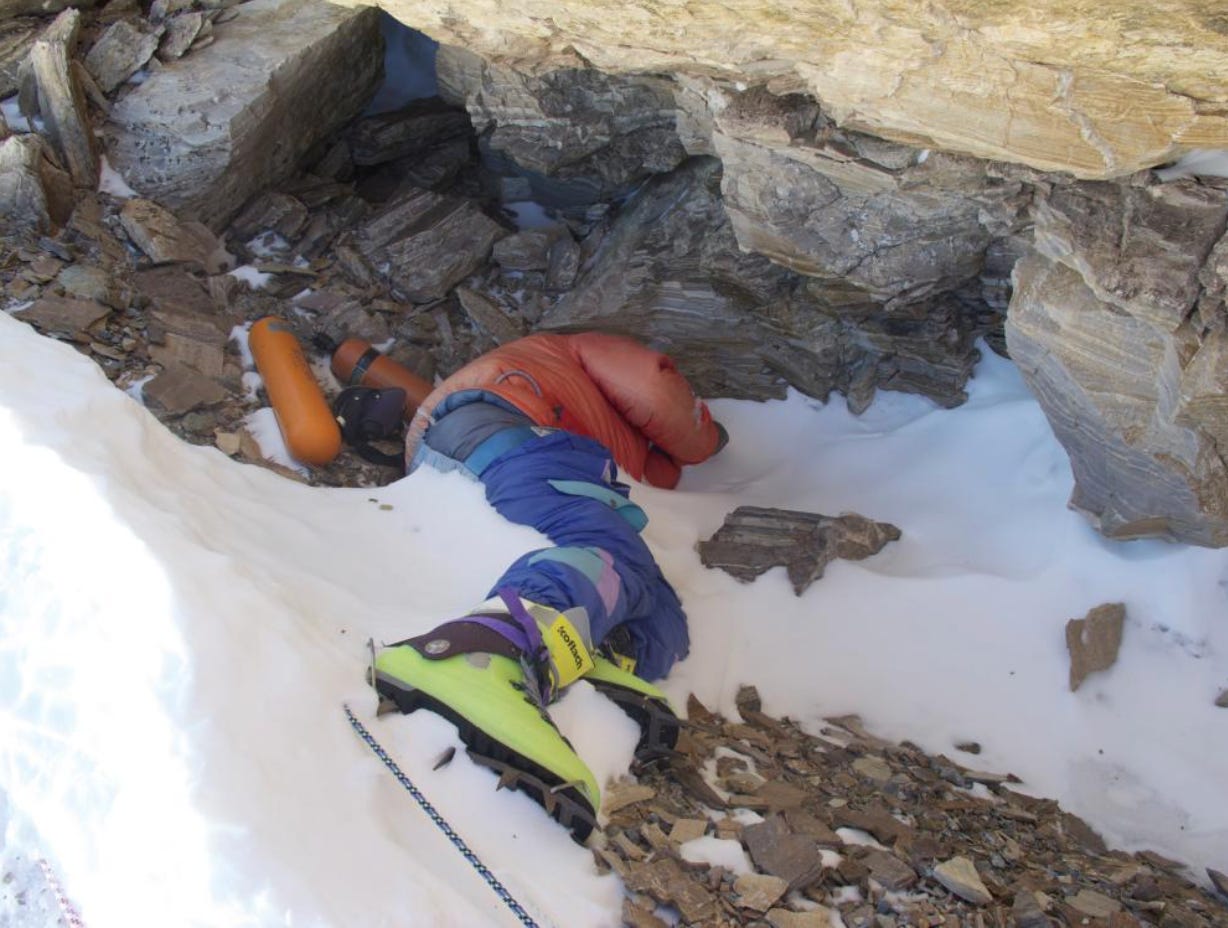
In 1996, a blizzard in Everest’s notorious ‘death zone’ killed ‘Green Boots’. Now, a fresh expedition plans to retrieve his body, and establish his identity..
For decades, Green Boots has been stitched into Everest lore.
Named after his lime-coloured Koflach boots, Green Boots became a landmark for climbers tackling the tricky north-east ridge route, accessed from the Tibet and China side of the world’s tallest mountain.
Curled up as if napping, Green Boots is fully clothed and lies nestled under a small rocky alcove about 8,500 metres above sea level and just 350 metres from the summit. A red fleece is pulled up over his face; perhaps a final act as he succumbed to -30C temperatures and hurricane-force winds in a storm that was documented in Jon Krakauer’s bestselling book Into Thin Air.
In the same category;
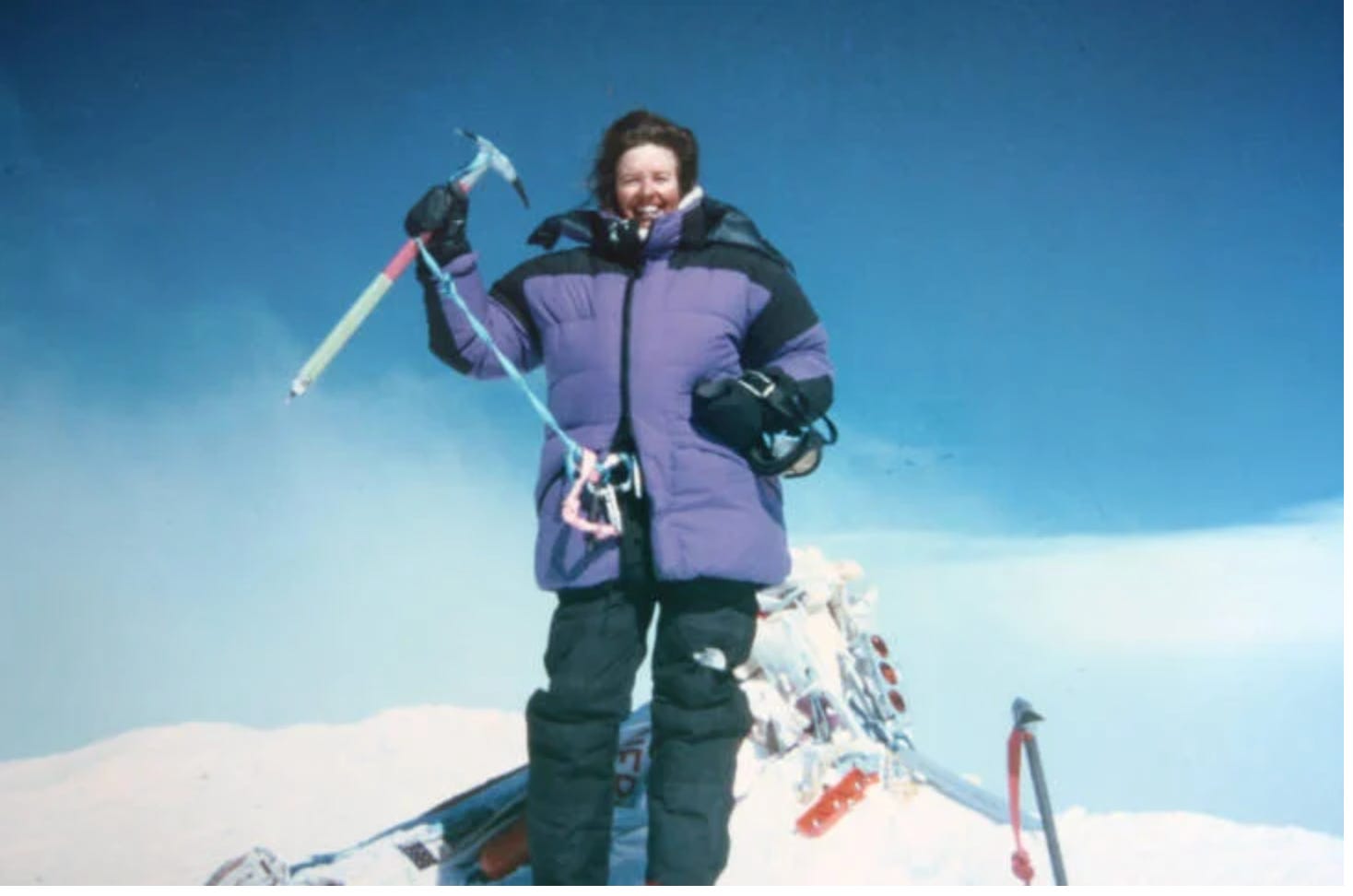
Known as the “Sleeping Beauty” of Mount Everest, American mountaineer Francys Arsentiev died tragically atop Earth’s highest peak on May 24, 1998.
10 years on, How many Brexit promises came true…
Spoiler alert, basically none.

Ten long years have passed since that queasy morning of 24 June 2016, when Boris Johnson and Michael Gove addressed the cameras to hail the victory of the Vote Leave campaign, and a leap into the unknown for the UK.
In the no-holds-barred battle of Brexit that spring, many alluring promises were made to tempt voters to turn their backs on the European Union. A decade on, we take a look at which of them ended up being met.
Free Pomodoro app
Pomodoro timers are basically a way of timing your attention to 25mins and then have a 5-10 break. Great for study and focussed work. Here’s a free menu bar version.
Tick it all and archive

A busy season means email backlog. The best and most heterodox recommendation I can give is ‘select all’ and then click archive. Inbox zero serenity, everything is still searchable and anything important will find it’s way back to you.
That’s all for now…